
How to floss or brush you teeth
Here’s something most people never think about: we brush and floss every day — but few of us actually do it correctly.
If you’ve ever wondered why your gums still bleed, or why plaque seems to return even though you brush twice a day, it’s not that your mouth is “stubborn.” It’s usually a technique.
Dentists see this all the time — people with good intentions but ineffective brushing and flossing habits. The truth? You can spend two minutes brushing and still miss half the surfaces that matter.
In this detailed, easy-to-follow guide, you’ll learn how to brush and floss the right way — the way dental pros actually recommend — to prevent gum disease, stop cavities before they start, and keep your mouth fresh all day.
Let’s get practical.
Why Proper Technique Matters More Than You Think
A toothbrush isn’t just for polishing your smile — it’s a medical tool. Done right, brushing and flossing remove the sticky film of bacteria called plaque that constantly forms on teeth. Left undisturbed, that plaque hardens into tartar, triggering gingivitis and, eventually, periodontal disease.
(If you haven’t yet, read our full guide on How to Tell If You Have Gum Disease — What You Need to Know About the Early Signs
Technique determines whether you disrupt that bacterial layer — or just move it around.
Let’s start with brushing, then master flossing.
How to Brush the Right Way
1. Choose the Right Toothbrush
Soft bristles only.
It’s tempting to pick “hard” or “medium” bristles for a stronger clean, but these can erode enamel and irritate gums. A soft-bristled toothbrush — manual or electric — cleans effectively without damage.
Electric toothbrushes, especially oscillating-rotating or sonic types, are excellent for consistency. Studies from the American Dental Association show electric models remove more plaque when used correctly.
2. Pick the Right Toothpaste
Fluoride is non-negotiable.
It strengthens enamel and protects against cavities. You can choose additional benefits based on needs:
- Sensitive teeth? Use potassium-nitrate-based pastes.
- Tartar buildup? Try anti-calculus formulas.
- Whitening? Look for mild abrasives, not harsh chemicals.
Avoid charcoal or overly gritty pastes — they can wear enamel over time.
3. Master the Technique: The 45-Degree Angle Rule
How to floss or brush you teeth
How to floss or brush you teeth
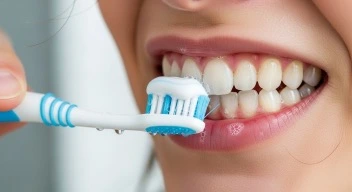
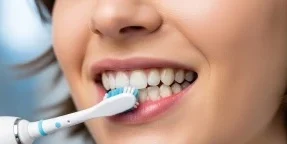
Hold your toothbrush at a 45-degree angle toward your gumline. That’s where plaque hides.
Use short, gentle strokes — not harsh scrubbing. Clean two teeth at a time, moving gradually around the mouth. Each surface (outer, inner, chewing) needs attention.
Pro tip:
Divide your mouth into quadrants — upper-right, upper-left, lower-right, lower-left — and spend 30 seconds per section. That equals the dentist-approved two-minute rule.
4. Don’t Forget the Inner Surfaces and Gumline
The inside surfaces of your front teeth are commonly missed. Tilt the brush vertically and move up and down using the tip of the bristles.
Gently sweep along the gumline, where plaque begins.
5. Clean Your Tongue and Cheeks
Bacteria don’t stop at your teeth. Use your brush or a dedicated tongue scraper to remove buildup that causes bad breath.
A clean tongue improves taste perception and overall freshness.
6. Rinse the Smart Way
Rinse your mouth and brush after use.
Avoid rinsing immediately after brushing with water or mouthwash if your toothpaste contains fluoride — let fluoride sit for a few minutes to strengthen enamel.
For deeper protection, use an alcohol-free fluoride rinse once daily.
7. Replace Your Brush Every 3 Months
When bristles fray, cleaning power drops. Replace your toothbrush or electric head every three months — sooner if you’ve been sick.
Flossing — The Step People Get Wrong
1. Why Flossing Matters
Toothbrushes can’t reach the tight spaces where gum disease begins. That’s why flossing isn’t optional.
Skipping it leaves 35 % of tooth surfaces uncleaned, according to dental researchers.
2. Pick the Right Floss
Choose based on your mouth:
- Waxed floss: Easy to glide between tight teeth.
- Unwaxed: Grips better for plaque removal.
- Dental tape: Great for wider gaps.
- Floss picks: Handy but may not reach all angles.
- Water flossers: Excellent for braces or implants; use daily for best results.
3. Proper Flossing Technique Step by Step
How to floss or brush you teeth
How to floss or brush you teeth
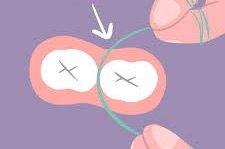
- Break off 18 inches of floss.
- Wrap most around one middle finger, the rest around the other.
- Hold the floss tight between thumbs and forefingers.
- Gently guide it between teeth using a back-and-forth motion.
- Curve it into a “C” shape around one tooth.
- Slide it under the gumline gently — don’t snap or saw.
- Use a clean section for each tooth.
4. Common Mistakes to Avoid
- Rushing. Flossing takes about 2–3 minutes.
- Snapping. This injures gums and causes bleeding.
- Reusing sections. Always switch to a clean area.
- Skipping the back teeth. That’s where decay loves to start.
5. Water Flossers and Interdental Brushes
For those who dislike string floss or wear braces, water flossers and interdental brushes are game-changers.
Research from the National Library of Medicine shows water flossers significantly reduce gingival bleeding and plaque in as little as four weeks (source).
Use gentle pressure and aim at a 90-degree angle to the gumline.
How to floss or brush you teeth
The Order That Matters — Floss Before Brushing
Studies increasingly show flossing before brushing is more effective.
Floss first to remove debris and open gaps between teeth, allowing toothpaste’s fluoride to reach deeper.
If you’ve always brushed first, try switching for a week — you’ll notice a cleaner feel immediately.
Oral Care Tools That Actually Work
Electric Toothbrushes
Modern models have pressure sensors, built-in timers, and ergonomic heads that reach molars. Brands like Oral-B and Philips Sonicare have earned ADA approval (see ADA list of accepted products).
Mouthwash
- Use alcohol-free versions for daily protection.
- Avoid using right after brushing; wait 30 minutes.
- Look for fluoride or antibacterial mouthwash.
Tongue Cleaners & Scrapers
These remove sulfur-producing bacteria responsible for bad breath.
Interdental Brushes
Tiny cone-shaped brushes clean between teeth and around braces or bridges. Use them gently to avoid gum irritation.
Signs You’re Brushing Too Hard
More isn’t always better.
Brushing too hard can cause gum recession and enamel wear. Look for these signs:
- Tooth sensitivity
- Gum notches or “V-shaped” wear at the neck of teeth
- Frayed toothbrush bristles too soon
Switch to a soft brush and lighter pressure.
Kids & Brushing Habits
Children should start brushing as soon as the first tooth erupts — with a pea-sized dab of fluoride toothpaste after age 3.
Make it fun with music timers, flavored toothpaste, and praise. Habits formed early become lifelong protection.
When to See Your Dentist
If you notice:
- Bleeding that lasts over a week
- Puffy or receding gums
- Bad breath that doesn’t go away
- Tooth sensitivity
- Loose teeth
…it’s time for a professional check-up and cleaning.
Even if you feel fine, get a dental exam twice a year. Cleanings remove tartar that home brushing can’t.
How to floss or brush you teeth
Daily Oral Care Routine — Your Quick Checklist
| Time | Step | Duration |
| Morning | Floss → Brush (2 min) → Tongue clean | 3–4 min |
| Afternoon | Rinse after meals if possible | — |
| Night | Brush (2 min) → Mouthwash → Hydrate | 3–5 min |
Consistency beats perfection. Twice daily habits done properly keep your mouth healthier than occasional “perfect” sessions.
Bringing It All Together
You don’t need a degree to brush or floss right — just awareness. Good oral care isn’t about doing more; it’s about doing it smarter.
Every gentle stroke at that 45-degree angle, every clean floss pass under the gumline, adds up to a future of stronger teeth and healthier gums.
When you master technique, you don’t just protect your smile — you protect your whole body.
So take your time tonight. Floss first. Brush with care. And let those two minutes be the best investment you make every day.