
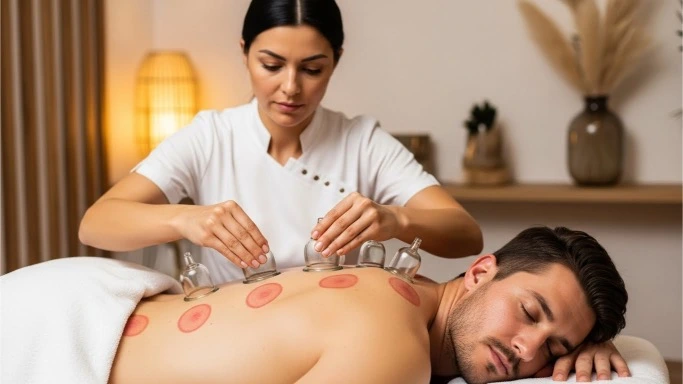
Cupping therapy is no longer something you only hear about in traditional medicine clinics or see briefly during Olympic games. It has quietly moved into the mainstream. Today, you’ll find cupping therapy in wellness centers, physical therapy clinics, massage studios, and even home self-care routines.
So what changed?
People are more focused on natural body care, long-term wellness, and treatments that support the body instead of masking symptoms. Cupping therapy fits perfectly into that mindset. It doesn’t rely on chemicals or medication. It works with circulation, muscle tension, and the body’s natural healing response.
If you’ve ever wondered why cupping therapy is suddenly everywhere, or whether it actually does anything meaningful, this guide breaks it all down clearly and honestly.
We’ll explore:
- What cupping therapy really is
- Why it’s so popular in body care and wellness today
- How it works inside the body
- What benefits people actually notice
- Who it’s best for (and who should avoid it)
- How it fits into modern self-care routines
No hype. No exaggerated claims. Just real explanations that help you decide if cupping therapy makes sense for you.
What Is Cupping Therapy?

Cupping therapy is a body treatment that uses suction cups placed on the skin to create negative pressure. This suction gently lifts the skin and underlying tissue upward.
There are two common types:
- Dry cupping – suction only
- Wet cupping – suction combined with controlled skin pricking (less common in wellness settings)
In modern body care, dry cupping is by far the most popular. It’s non-invasive, relatively gentle, and commonly used for muscle relief, circulation support, and relaxation.
Cupping has roots in traditional Chinese medicine, Middle Eastern medicine, and ancient Greek practices. What’s new isn’t the technique — it’s how people are using it today.
Why Cupping Therapy Has Become So Popular
Cupping therapy didn’t become popular overnight. Its rise connects directly to how people think about health and body care today.
1. People Want Natural Body Care Solutions
Many people are moving away from relying only on painkillers, topical numbing creams, or quick fixes. They want natural approaches that support the body instead of overriding it.
Cupping therapy:
- Uses no chemicals
- Requires no medication
- Encourages the body’s own response
That makes it appealing to anyone focused on personal wellness.
This mindset fits well with other natural care topics such as: Anti-Aging Treatments: The Guide You Need to Know
2. It Supports Circulation, Which Affects the Whole Body
One of the biggest reasons cupping therapy is popular is its effect on blood flow.
The suction pulls blood toward the surface, increasing circulation in targeted areas. Better circulation means:
- More oxygen delivery
- Faster nutrient transport
- Improved tissue recovery
According to research discussed by the Cleveland Clinic, increased blood flow can support muscle recovery and tissue healing when used appropriately.
This circulation-based approach appeals to people dealing with:
- Muscle tightness
- Stiff joints
- Desk-related tension
- Post-workout soreness
3. It Helps Relieve Muscle Tension Without Deep Pressure
Not everyone enjoys deep tissue massage. Some people find it painful or too intense. Cupping therapy offers a different approach.
Instead of pressing down into muscles, cupping:
- Lifts tissue upward
- Separates tight muscle layers
- Releases stuck fascia
Many people describe the sensation as strange at first but deeply relieving after.
This makes cupping popular among:
- Athletes
- Office workers
- People with chronic muscle tightness
- Those recovering from physical stress
How Cupping Therapy Fits Into Modern Wellness

Cupping therapy isn’t usually used alone. Its popularity comes from how easily it fits into existing wellness routines.
Combined With Massage Therapy
Many therapists use cupping before or after massage. It helps warm up tissues and makes massage more effective with less pressure.
Used in Physical Therapy
Physical therapists sometimes use cupping to:
- Improve mobility
- Reduce muscle guarding
- Support rehab exercises
Included in Home Body Care
Home silicone cupping kits have become popular for:
- Self-massage
- Muscle recovery
- Relaxation routines
People enjoy having a tool they can use between professional sessions.
The Role of Fascia in Cupping Therapy’s Popularity
Fascia is the connective tissue that surrounds muscles, joints, and organs. When fascia becomes tight or dehydrated, it restricts movement and causes discomfort.
Cupping therapy targets fascia in a unique way.
Why fascia matters:
- Tight fascia limits flexibility
- It can trap inflammation
- It contributes to chronic pain patterns
Cupping lifts and separates fascial layers instead of compressing them. This is one reason people often feel looser and lighter afterward.
This fascia-focused benefit has made cupping popular among people interested in functional movement and body awareness.
Visible Marks: A Reason People Are Curious (Not Afraid)
Those circular marks often spark curiosity. While some see them as intimidating, others see them as proof something is happening.
Important truth:
- The marks are not bruises
- They are caused by temporary blood pooling
- They fade within days
As people became more informed, fear around the marks faded. Social media also normalized them by showing athletes and wellness professionals using cupping openly.
This visibility helped cupping therapy move from niche to mainstream.
What Benefits Do People Actually Notice?
Cupping therapy isn’t a miracle cure, but many people report real benefits when used correctly.
Commonly reported benefits include:
- Reduced muscle tightness
- Improved range of motion
- Temporary pain relief
- Relaxation and stress reduction
- Improved body awareness
The Mayo Clinic notes that complementary therapies like cupping may help with symptom relief when used alongside standard care.
Who Is Cupping Therapy Most Popular With?

Cupping therapy attracts a wide range of people.
Athletes and Active Individuals
- Faster recovery
- Muscle maintenance
- Injury prevention support
Desk Workers
- Neck and shoulder tension
- Lower back stiffness
- Poor posture relief
Wellness-Focused Individuals
- Natural self-care routines
- Stress management
- Circulation support
People Exploring Alternative Therapies
- Those curious about traditional techniques
- Individuals seeking holistic care
Is Cupping Therapy Safe?
When performed correctly, cupping therapy is generally safe for healthy individuals.
However, it’s not for everyone.
People who should avoid cupping:
- Those with bleeding disorders
- People on blood thinners
- Individuals with fragile skin
- Those with active skin infections
The National Institutes of Health emphasizes that complementary therapies should always be used responsibly and with awareness of individual health conditions.
Why Cupping Therapy Aligns With the Self-Care Movement
Modern self-care is about more than pampering. It’s about maintaining the body before problems become severe.
Cupping fits because:
- It’s preventative, not reactive
- It encourages body awareness
- It promotes circulation and relaxation
- It feels intentional, not rushed
This mindset connects well with other personal care topics like How to Get Rid of Dark Under-Eye Circles Without Makeup
Cupping Therapy vs Other Body Care Treatments
Compared to Massage
- Massage compresses tissue
- Cupping lifts tissue
Both are effective but feel very different.
Compared to Foam Rolling
- Foam rolling uses pressure
- Cupping uses suction
Cupping can reach areas foam rolling struggles with.
Compared to Heat Therapy
- Heat relaxes muscles
- Cupping improves circulation
Many people combine both.
How Often Do People Use Cupping Therapy?
Frequency depends on goals.
- Muscle recovery: once weekly
- General wellness: every 2–4 weeks
- Athletic training: as needed
Overuse can irritate skin, so moderation matters.
What Cupping Therapy Does Not Do
It’s important to be realistic.
Cupping therapy does not:
- Detox organs
- Cure diseases
- Replace medical treatment
- Permanently fix structural issues
Its popularity comes from realistic benefits, not exaggerated claims.
Short FAQ: Cupping Therapy in Body Care
Does cupping therapy hurt?
It usually feels tight, not painful.
Are the marks dangerous?
No. They fade naturally within days.
Can I do cupping at home?
Yes, with proper tools and education.
Is cupping therapy backed by science?
Research supports circulation and muscle benefits, but it’s not a cure-all.
How long do benefits last?
Anywhere from hours to days, depending on the person.
The Bottom Line
Cupping therapy has become popular in body care and wellness because it matches what people want today: natural support, body awareness, and meaningful relief without harsh interventions.
It works with circulation, muscle tension, and fascia. It fits into modern routines. It encourages people to listen to their bodies instead of ignoring discomfort.
Cupping therapy isn’t about trends. It’s about reconnecting with how the body heals and moves.
That’s why it continues to grow — and why so many people keep coming back to it.