
Aging is natural — but wanting healthy, glowing, smooth skin at every age is natural too. Whether you’re in your late 20s and noticing your first fine lines or well into your 50s searching for anti-aging treatments that actually work, the world of skincare can feel overwhelming. Retinoids, lasers, injectables, peptides, collagen boosters, facials, lifestyle tricks — it’s hard to know where to start, what’s worth your money, and what’s simply hype.
Here’s the truth:
You don’t need every treatment. You just need the right ones — matched to your skin, goals, and comfort level.
In this guide, we’ll walk through the science-backed anti-aging treatments that dermatologists trust, the best at-home routines that truly slow visible aging, and the holistic habits that keep your skin firm, bright, and youthful longer.
It’s time to simplify anti-aging and build confidence in your skincare journey. Let’s start with what really works.
What Causes Skin Aging? A Quick Breakdown
Before choosing treatments, it’s important to understand why wrinkles, sagging, and texture changes happen.
1. Collagen Loss
After age 25, collagen decreases by about 1% each year. Less collagen = reduced firmness.
2. Elastin Breakdown
Elastin gives your skin its bounce. Once it weakens, skin becomes looser.
3. Slower Cell Turnover
Dead skin cells linger longer, making skin appear dull and uneven.
4. Sun Damage (Photoaging)
According to dermatology research, up to 80% of visible aging comes from sun exposure. Source
5. Genetics & Hormones
They influence how quickly aging signs appear.
6. Lifestyle Factors
Poor sleep, stress, dehydration, sugar intake, and smoking accelerate aging.
1. Retinoids — The Gold Standard for Anti-Aging
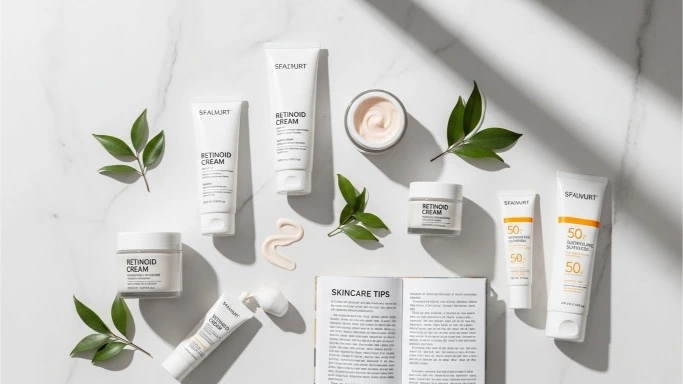
When dermatologists say something is the “gold standard,” they mean it’s the most proven, effective option available.
Why Retinoids Work
Retinoids:
- Stimulate collagen
- Reduce fine lines
- Smooth texture
- Fade dark spots
- Tighten pores
- Increase cell turnover
A study in the Journal of Cosmetic Dermatology highlights retinoids as the most evidence-backed topical treatment for aging skin.
Types of Retinoids
- Retinol — beginner-friendly
- Retinaldehyde — stronger, less irritating
- Tretinoin — prescription-strength
- Adapalene — for acne + anti-aging
- Tazarotene — very strong
How to Use Retinoids Safely
- Start 2–3 nights per week
- Use moisturizer before and after (sandwich method)
- Expect mild irritation at first — this is normal
- Use sunscreen daily
If you want a similar breakdown on skincare basics, explore The Beauty Section
2. Vitamin C — Brightening, Firming, and Protecting
Vitamin C is a powerful antioxidant that helps reverse early signs of aging.
Benefits
- Boosts collagen
- Reduces dark spots
- Brightens dull skin
- Protects against UV-induced damage
According to a review from the National Institutes of Health, vitamin C improves skin firmness and texture.
Use It In The Morning
Combines well with sunscreen for double protection.
3. Chemical Peels — Resurface and Renew Your Skin

Chemical peels remove dead skin and reveal smoother, younger-looking skin underneath.
Types of Peels
- AHA Peels (Glycolic, Lactic): Brightening + smoothing
- BHA Peels (Salicylic): Good for oily skin
- TCA Peels: Medium-depth, professional only
- Jessner Peels: Acne + texture improvement
Results
- Softer fine lines
- Reduced discoloration
- More glow
- Smoother texture
4. Microdermabrasion — Gentle Exfoliation for Glow
A non-invasive treatment that:
- Buffs away surface dead skin
- Brightens complexion
- Improves product absorption
It’s a great starter anti-aging treatment if you prefer non-chemical options.
5. Microneedling — Collagen Booster for Serious Results

A device with tiny needles creates micro-injuries that trigger collagen production.
Benefits
- Reduces wrinkles
- Tightens skin
- Improves scars
- Enhances elasticity
A clinical study in Dermatologic Surgery found that microneedling increases collagen significantly within 3–6 sessions. Source
6. Laser Treatments — High-Tech Anti-Aging Power
Lasers target fine lines, pigmentation, and sagging at deeper skin levels.
Types of Lasers
- Fraxel: Texture + pigmentation
- CO2 Laser: Heavy lifting for deep wrinkles
- IPL: Redness + dark spots
- Nd:YAG: Firming + rejuvenation
These treatments often deliver dramatic results but require downtime.
7. Radiofrequency (RF) — Non-Surgical Skin Tightening
RF stimulates collagen through heat — without needles.
RF Helps With:
- Mild to moderate sagging
- Jawline shaping
- Fine lines
- Loose neck skin
Great option for those not ready for injectables or surgery.
8. Botox — Softening Wrinkles Without Changing Your Face
Botox relaxes muscles to smooth wrinkles like:
- Crow’s feet
- Forehead lines
- Frown lines
It still remains one of the most popular anti-aging treatments in the world.
9. Fillers — Restore Youthful Volume
Fillers like hyaluronic acid replace lost volume in areas like:
- Cheeks
- Lips
- Nasolabial folds
- Marionette lines
Done correctly, they create a natural, refreshed look — not “overdone.”
10. Natural Remedies that Support Anti-Aging
For a gentle, plant-based approach, explore:
- Aloe vera (soothing + hydrating) → internal link: LovedPlants.com Aloe article
- Green tea extract
- Rosehip oil (rich in vitamin A)
- Squalane for moisture retention
- Retinol alternatives like bakuchiol
See full benefits: Aloe Vera Skincare Guide
11. Sleep, Diet, and Lifestyle — The “Invisible” Anti-Aging Treatments

Your skin reflects your daily habits.
Improve Anti-Aging Through Lifestyle:
- Sleep 7–9 hours
- Reduce sugar
- Eat antioxidants (berries, greens, turmeric)
- Stay hydrated
- Manage stress
- Avoid smoking
- Use sunscreen daily (a must!)
Healthy habits amplify every skincare treatment.
12. Build an Anti-Aging Routine That Actually Works
Morning Routine
- Cleanser
- Vitamin C serum
- Lightweight moisturizer
- SPF 30+
Night Routine
- Cleanser
- Retinoid (2–5 nights/week)
- Niacinamide or peptide serum
- Moisturizer
Weekly
- AHA/BHA exfoliant
- Hydrating mask
- Gentle massage for circulation
13. When Should You Start Anti-Aging?
Dermatologists agree:
- 20s: Prevention (sunscreen + vitamin C)
- 30s: Early correction (retinoids, deeper hydration)
- 40s–50s: Targeted treatments (lasers, microneedling, injectables)
It’s never too late — or too early — to care for your skin.
The Takeaway
Anti-aging doesn’t have to be complicated, expensive, or confusing. With the right mix of science-backed ingredients, professional treatments, and smart lifestyle habits, you can maintain glowing, youthful, healthy skin at every age.
Remember:
- Start with the basics (retinoids, vitamin C, sunscreen)
- Choose treatments that fit your skin goals
- Stay consistent
- Be patient — real changes take time
Your skin tells a story — and with the right routine, that story can stay bright, smooth, and confident for years to come.