
How to get rid of dark under-eye circles without makeup
Dark under-eye circles have a way of showing up when you least want them. You can be well-rested, hydrated, and taking care of your skin — and still look tired the moment you glance in the mirror.
That’s because dark circles aren’t just about sleep. They can come from genetics, thin skin, dehydration, allergies, poor circulation, sun exposure, or even the way your face is structured. Makeup can cover them, sure. But it doesn’t fix the reason they keep coming back.
If you’re tired of concealer and want real, natural ways to reduce dark under-eye circles, you’re in the right place.
This guide breaks down:
- What actually causes dark circles
- Which types of dark circles you may have
- Proven, makeup-free ways to improve them
- What works, what doesn’t, and what takes time
- Habits and skincare changes that make a visible difference
No gimmicks. No unrealistic promises. Just honest, practical advice you can actually use.
What Causes Dark Under-Eye Circles?
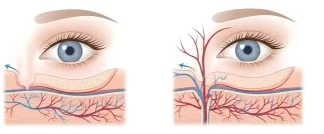
Before fixing dark circles, it helps to understand why they appear. Not all dark circles are the same, and different causes need different solutions.
Common causes include:
- Thin skin under the eyes
- Visible blood vessels
- Poor circulation
- Dehydration
- Lack of sleep (yes, sometimes)
- Allergies and sinus congestion
- Sun exposure
- Genetics and facial structure
According to the Cleveland Clinic, dark circles are often a combination of skin transparency and blood vessel visibility, not just fatigue.
Identify Your Type of Dark Circles
Knowing the type helps you treat them more effectively.
1. Brown or Pigmented Dark Circles
- Caused by excess melanin
- More common in deeper skin tones
- Worsened by sun exposure
2. Blue or Purple Dark Circles
- Caused by thin skin and visible blood vessels
- Often genetic
- Common with aging
3. Puffy Shadows
- Swelling creates shadows under the eyes
- Often linked to salt, allergies, or poor sleep
4. Hollow Under-Eyes
- Facial structure creates shadowing
- Weight loss or aging can make this more visible
Most people have a mix of these.
How to Get Rid of Dark Under-Eye Circles Naturally (No Makeup)
Let’s talk about what actually helps.
1. Improve Sleep Quality (Not Just Sleep Hours)
Sleep affects circulation and fluid balance. Poor sleep can make blood vessels under the eyes more visible.
Tips that help:
- Aim for consistent sleep times
- Elevate your head slightly to prevent fluid pooling
- Avoid screens 1 hour before bed
This works best for blue or purple circles, not pigment-based ones.
2. Hydration Makes a Bigger Difference Than You Think
Dehydration makes skin thinner and duller, which worsens dark circles.
Simple hydration habits:
- Drink water consistently, not all at once
- Eat water-rich foods (cucumber, berries, oranges)
- Reduce excess caffeine and alcohol
Hydrated skin reflects light better — making under-eyes look brighter.
3. Cold Therapy to Reduce Darkness and Puffiness

Cold constricts blood vessels and reduces swelling.
Easy cold treatments:
- Cold spoons
- Chilled eye rollers
- Cold compress for 5–10 minutes
This helps temporarily but looks noticeably better with consistency.
4. Use Sunscreen Around the Eyes (Yes, Really)
Sun exposure increases pigmentation and breaks down collagen.
According to the American Academy of Dermatology, UV exposure is a major cause of under-eye darkening over time.
What to do:

- Use mineral sunscreen near the eyes
- Wear sunglasses outdoors
- Avoid rubbing eyes after sun exposure
This is essential for brown or pigmented dark circles.
5. Gentle Under-Eye Massage to Improve Circulation
Poor circulation can deepen under-eye darkness.
How to massage:
- Use ring finger only
- Light tapping motion
- Start from inner corner outward
- 1–2 minutes daily
This encourages lymphatic drainage and blood flow.
6. Address Allergies and Sinus Issues
Allergies cause inflammation and blood pooling under the eyes.
The Mayo Clinic notes that allergy-related congestion often darkens under-eye skin.
Helpful habits:
- Manage seasonal allergies
- Use saline nasal rinses
- Avoid rubbing itchy eyes
This step alone improves dark circles for many people.
7. Strengthen the Skin With the Right Ingredients
Thin under-eye skin shows darkness more easily.
Ingredients that help:
- Vitamin C (brightens and supports collagen)
- Niacinamide (improves skin barrier)
- Peptides (support firmness)
- Hyaluronic acid (hydrates and plumps)
For ingredient education, see:
What Vitamin C Really Does for Your Skin — Benefits & Myths
8. Reduce Salt Intake at Night
Salt causes fluid retention, especially under the eyes.
Simple fix:
- Avoid salty foods before bed
- Drink water in the evening
- Elevate your head while sleeping
This mainly helps puffy shadow-type circles.
9. Improve Overall Skin Health
Healthy skin reflects light better and looks brighter.
Helpful habits:
- Gentle cleansing
- Avoid harsh rubbing
- Use moisturizer consistently
- Protect skin barrier
You may also find this helpful:
Anti-Aging Treatments: The Guide You Need to Know.
10. Be Realistic About Genetics
Some dark circles are genetic or structural. That doesn’t mean they’re untreatable — but improvement may be gradual rather than dramatic.
Dermatology research summarized by the National Institutes of Health confirms that structural under-eye darkness responds best to long-term care, not quick fixes.
What Doesn’t Actually Work (Despite the Hype)
- Rubbing lemon juice under eyes (too harsh)
- Toothpaste (irritating and unsafe)
- DIY acids
- Aggressive scrubbing
- Overnight miracle claims
If it stings, burns, or peels — it’s not helping.
How Long Does It Take to See Results?
This depends on the cause.
- Puffiness: days to weeks
- Dehydration: 1–2 weeks
- Pigmentation: 6–12 weeks
- Thin skin: several months
Consistency matters more than perfection.
Short FAQ: Dark Under-Eye Circles
Q1: Can dark circles go away naturally?
Yes, many improve significantly with consistent care.
Q2: Does drinking water remove dark circles?
It helps if dehydration is a factor, but it’s not a cure-all.
Q3: Are dark circles always from lack of sleep?
No. Genetics and skin structure play a big role.
Q4: Does vitamin C help under-eye circles?
Yes, especially for pigmentation and thin skin.
Q5: Can eye creams really work?
They help support skin health, but lifestyle changes matter too.
The Bottom Line
Dark under-eye circles don’t mean you’re unhealthy, tired, or doing something wrong. They’re often a mix of biology, habits, and skin structure.
The good news is that you don’t need makeup to improve them. With hydration, sun protection, gentle care, circulation support, and the right ingredients, most people see real improvement over time.
The key is patience, consistency, and understanding what your skin actually needs — not chasing quick fixes.
Healthy, rested-looking eyes are built slowly. And now, you know exactly how to get there.