
How to Tell If You Have Gum Disease
Have you ever brushed your teeth and noticed a bit of blood?
Or maybe your gums look a little puffy in the mirror, but you brushed it off thinking it’s normal?
Here’s the truth most people don’t hear early enough: gum disease often starts quietly. There’s no dramatic pain in the beginning — just subtle signals your mouth sends, hoping you’ll listen. When we ignore them, plaque hardens, inflammation deepens, and suddenly, gums start receding or teeth feel loose.
And by the time gum disease becomes painful?
It’s often already serious.
Today, we’re diving deep — in a clear, simple way — into the first signs of gum disease, so you can catch it early and protect both your smile and long-term health. Yes, your gums matter for far more than aesthetics; researchers link gum inflammation to heart disease, diabetes, and even cognitive decline. Gum health is whole-body health — and understanding it gives you power.
Let’s explore what your gums are trying to tell you.
What Exactly Is Gum Disease?
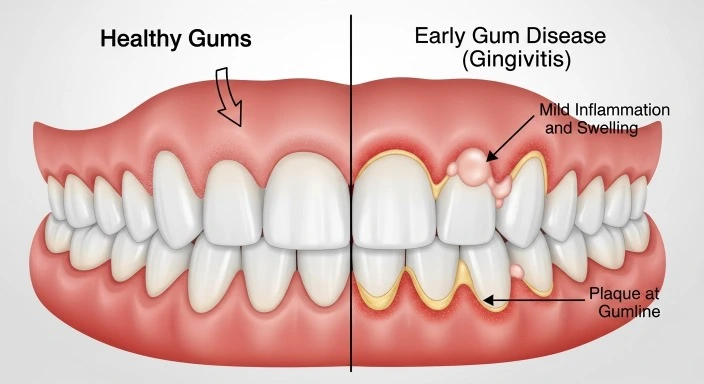
Gum disease, or periodontal disease, begins when sticky plaque — a mix of bacteria and food debris — builds up along the gumline. When plaque stays too long, it hardens into tartar and causes inflammation. This early stage is called gingivitis.
Left untreated, gingivitis can evolve into periodontitis, where infection damages the tissues and bones that support your teeth. That’s when teeth may feel loose, your smile changes, and oral health spirals downward.
But here’s the good news:
Catch gum disease early, and it’s mostly reversible.
Before we talk about treatments, let’s walk through the symptoms — the quiet ones and the not-so-quiet ones.
Early Signs of Gum Disease You Should Never Ignore
How to Tell If You Have Gum Disease
How to Tell If You Have Gum Disease
1. Gums That Bleed Easily
One or two tiny pink spots on the sink after brushing may not seem serious, but it’s one of the first warning signs. Healthy gums don’t bleed from brushing or flossing — not even if you floss “too hard.” Bleeding means inflammation.
Why it matters:
Inflamed gums become vulnerable, allowing harmful bacteria to enter the bloodstream and trigger systemic inflammation. Many people discover heart and metabolic issues after chronic gum inflammation — not before.
If you’ve been seeing blood on your toothbrush lately, don’t wait for it to “go away.” It’s your gums signaling distress.
2. Persistent Bad Breath or a Metallic Taste
Sometimes bad breath isn’t about garlic or forgetfulness with mouthwash.
It comes from bacteria trapped beneath inflamed gums.
If your breath stays unpleasant even after brushing, hydration, and tongue cleaning, it suggests bacteria buildup beyond the gum surface. Some people describe a metallic taste instead — another red flag.
This symptom doesn’t always scream “gum disease,” which is what makes it dangerous — it’s quiet and easy to ignore until damage is more advanced.
3. Red, Swollen, or Tender Gums
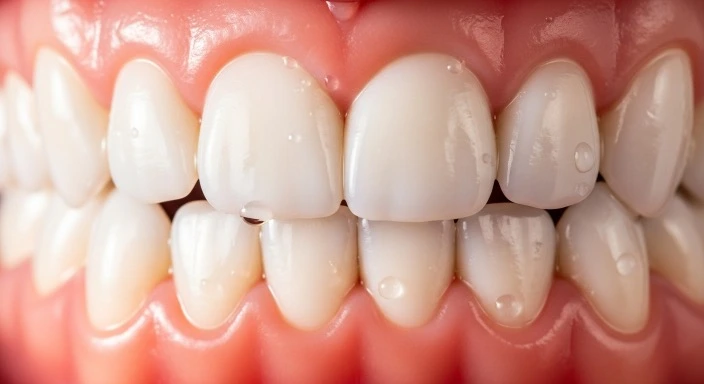
Healthy gums have a firm, coral-pink look.
When inflammation sets in, they become:
- Puffy
- Darker red
- Sore to the touch
- Shiny instead of matte
That swelling isn’t cosmetic — it’s your immune system fighting infection. The earlier you act, the easier it is to reverse.
For a detailed guide on healthy gum color and texture, explore our oral care section.
4. Gum Recession (Gums Pulling Back)
Do your teeth suddenly look “longer”?
Have you noticed little pockets forming between gum and tooth?
That’s recession — one of the most visible signs that bacteria have begun eroding gum tissue.
Receding gums rarely return on their own. However, professional care and consistent home hygiene can stop recession from worsening — and in some cases, early recession can improve with treatment.
5. Tooth Sensitivity You Didn’t Have Before
Sensitivity to cold water, hot drinks, citrus, or even cold air can be early gum disease territory. As gums pull back, they expose tooth roots, which lack protective enamel.
A sudden change in sensitivity is more than annoying — it’s a biological signal that tissues have been compromised.
6. Loose Teeth or Changes in Your Bite
This is no longer early gum disease — it’s advanced trouble.
If your teeth shift slightly or feel unstable, bone loss may have begun. Many patients come to the dentist only when feeling a change in bite — but by that stage, gum disease has usually existed for years.
Early attention prevents this outcome. That’s why every subtle sign matters.
7. Pus Between Gums and Teeth
Pus is one symptom you don’t second-guess. It’s infection.
It often appears with swelling, pain, and bad breath.
Even if you only see it once, contact a dentist right away.
At this point, gum disease has escalated, but treatment can still save your smile.
Surprising Factors That Raise Your Gum Disease Risk
Gum disease develops quietly, but risks accelerate with:
- Smoking or vaping
- Dry mouth (reduced saliva encourages bacteria growth)
- Diabetes
- Autoimmune conditions
- Poor dental hygiene habits
- Crowded teeth or misaligned bites trapping bacteria
- Certain medications (antidepressants, antihistamines, blood pressure meds)
- Genetics (yes — some people are more susceptible)
Even pregnancy increases gum inflammation risk — a condition called pregnancy gingivitis.
What helps? Understanding your personal risk and staying proactive. You don’t need to panic — just pay attention.
How Dentists Diagnose Gum Disease (What to Expect)
A gum health exam feels simple, but it’s powerful. Dentists check:
- Gum pocket depth with a small periodontal probe
- Gum color, bleeding, and swelling
- Tartar buildup
- Bone levels via X-rays
- Tooth stability
You’ll likely hear numbers during probing — 1 to 3 mm is normal, while deeper pockets suggest inflammation or damage.
If you’re nervous about dental visits, you’re not alone. Yet early exams are painless, preventive, and empowering.
Can You Treat Gum Disease at Home?
Early gum inflammation? Yes — home care helps a lot.
Advanced gum disease? You need professional treatment.
Here’s what home support looks like:
- Brush twice a day with soft bristles
- Floss daily (yes, it matters)
- Use antimicrobial rinses
- Clean your tongue
- Hydrate often
- Swap sugary snacks for crunchy vegetables
But brushing harder doesn’t fix bleeding gums — better technique and consistent care do.
If you’re unsure how to floss or brush properly, see our detailed oral care technique guide: How to Brush & Floss the Right Way
Professional Treatments
How to Tell If You Have Gum Disease
How to Tell If You Have Gum Disease
Dentists may recommend:
- Scaling and root planing (deep cleaning)
- Antibiotic therapy
- Laser gum therapy
- Surgery in advanced cases
- Graft procedures for severe recession
Modern treatment is gentler than most expect — waiting is the painful part.
Lifestyle Choices That Protect Your Gums
Your gums don’t operate alone — they respond to whole-body habits.
Better habits = lower risk.
Helpful basics include:
- Eat fiber-rich foods
- Rinse after acidic or sugary drinks
- Manage stress (stress impacts oral bacteria and immunity)
- Quit smoking or vaping if you can
- Schedule dental cleanings twice a year
And if you’re ever unsure whether something is a “gum red flag,” call a dentist.
Trust your instincts. Your body speaks before things get serious — gums included.
When Should You See a Dentist?
See a professional if you notice:
- Bleeding for more than a week
- Persistent bad breath
- Tender or swollen gums
- Increased sensitivity
- Gum recession
- A change in bite or loose teeth
Waiting can cost health, comfort, and money — early exams save all three.
For more science-based periodontal guidelines, read the American Dental Association’s insights review.
How to Tell If You Have Gum Disease
Final Thought
Gum disease rarely shows up dramatically. It creeps in with tiny clues — a little bleeding, subtle swelling, a breath change, a touch of sensitivity. Most people don’t act until discomfort arrives, and by then gum disease often has roots deeper than expected.
But you’re now equipped with knowledge — and that changes everything.
Pay attention to the early whispers your gums send. Take action sooner, not later.
A healthy smile isn’t luck — it’s awareness and consistency.
Your daily habits, your hygiene routine, and your willingness to listen to your body will protect you long before dental tools ever do. Start now — your gums will thank you for years to come.