

You brush your teeth, use mouthwash, maybe even chew gum — yet somehow, your breath still isn’t as fresh as you hoped. If this sounds familiar, you’re not alone. Bad breath (also called halitosis) affects millions of people, and it can feel confusing, embarrassing, and even isolating. After all… shouldn’t brushing fix it?
Here’s the truth most people don’t realize:
Brushing alone only removes surface-level odor — not the deeper causes.
Bad breath isn’t always about “dirty teeth.” Sometimes it comes from your tongue, gums, diet, dehydration, mouth bacteria, or even issues deeper in the body.
The good news? Once you understand why bad breath continues even after brushing, you can finally fix it — for good.
In this guide, we’ll walk through the real reasons behind persistent bad breath, what science says about each cause, and simple, effective solutions that work in real life. Whether you deal with morning breath, chronic halitosis, or occasional odor, this guide will help you finally get the fresh breath you deserve.
Let’s break it down, step-by-step.
The #1 Most Overlooked Reason: Your Tongue
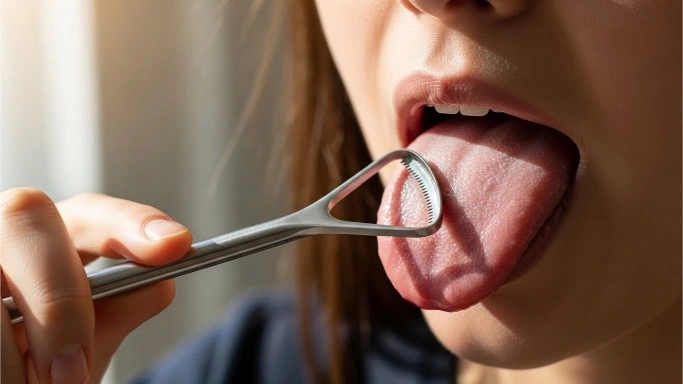
If you brush your teeth but skip your tongue, you’re missing the biggest cause of bad breath.
Your tongue’s surface is covered in tiny grooves called papillae. Food particles, bacteria, and dead cells get trapped inside — creating a perfect environment for odor-causing sulfur compounds to grow.
A clinical article from the National Library of Medicine found that up to 90% of halitosis cases originate from the tongue.
Signs your tongue is the problem:
- White or yellow coating
- Bad taste in the morning
- Breath smells worse when you talk or exhale deeply
Fix it:
- Use a tongue scraper daily
- Brush gently with a soft toothbrush
- Rinse with alcohol-free mouthwash afterward
To learn the right brushing technique, check our detailed guide: How to Floss or Brush the Right Way
Gum Disease: The Hidden Source of Bad Breath
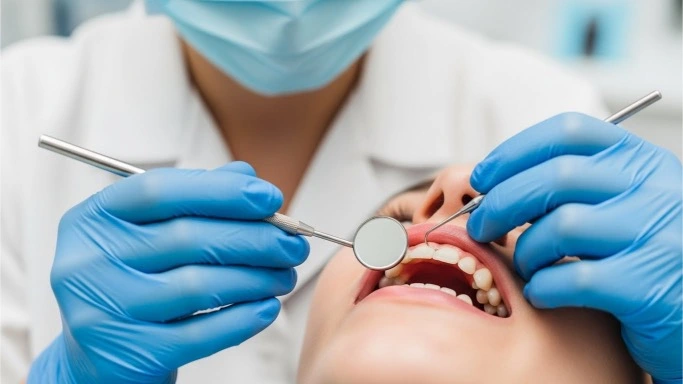
Even if your teeth are clean, inflamed or infected gums release strong odors.
Gum disease begins with plaque buildup, which attracts harmful bacteria. As gums become irritated, pockets form around the teeth — trapping debris and intensifying bad breath.
According to the Journal of the American Dental Association, gum disease is one of the most common chronic causes of halitosis.
Signs of gum-related bad breath:
- Bleeding when brushing or flossing
- Red, swollen, or tender gums
- Metallic or sour taste
- Receding gumline
If you suspect gum issues, read our gum health guide: How to Tell If You Have Gum Disease — What You Need to Know.
Dry Mouth (Xerostomia): A Major Cause No One Talks About
Saliva is your mouth’s natural cleaning system. When your mouth becomes dry, bacteria multiply fast — causing bad breath.
Common causes of dry mouth:
- Not drinking enough water
- Sleeping with your mouth open
- Stress or anxiety
- Certain medications (antidepressants, antihistamines, blood pressure drugs)
- Smoking or vaping
This connection is well-supported by studies in the Journal of Oral Diseases, which links dry mouth to increased sulfur-producing bacteria.
Fix it:
- Drink water consistently
- Chew sugar-free gum
- Use a humidifier at night
- Limit caffeine and alcohol
- Try xylitol mints
Tonsil Stones: Small, Hidden, and VERY Smelly
Tonsil stones (tonsilloliths) are clusters of food debris and bacteria trapped in the tonsils. They smell extremely strong — even if you brush perfectly.
Signs you may have tonsil stones:
- Bad breath that brushing doesn’t fix
- Feeling something stuck in your throat
- Small white/yellow bumps on tonsils
- Bad taste in the mouth
Fix it:
- Gargle warm saltwater daily
- Use a water flosser gently
- Improve oral hygiene overall
Diet Choices: What You Eat Affects Your Breath for Hours
Some foods cause temporary odor, while others create deeper, long-lasting bad breath.
Foods that cause persistent odor:
- Garlic and onions (sulfur compounds enter the bloodstream)
- Dairy products (promote bacterial growth)
- High-protein diets (produce ammonia-like smells)
- Coffee (dries the mouth)
- Alcohol (changes mouth pH)
If you enjoy nutrition-based wellness, explore: Aloe Vera Skincare & Wellness Benefits
Sinus Issues, Allergies, and Post-Nasal Drip
Mucus contains proteins that bacteria feed on. When post-nasal drip coats the back of your tongue and throat, it leads to noticeable bad breath — even with good brushing.
Common triggers:
- Seasonal allergies
- Sinus infections
- Chronic nasal congestion
If you wake up with bad breath despite brushing at night, this could be the cause.
Acid Reflux (GERD)
Stomach acid can travel up the esophagus, leaving a sour or metallic smell in the mouth.
Symptoms include:
- Heartburn
- Bloating
- Bitter taste
- Hoarse voice
GERD-related bad breath won’t respond to brushing — because the odor originates in the digestive system.
Poor Oral Hygiene Techniques (Even If You Brush Daily)
Not brushing properly = bad breath, even if you brush twice a day.
Most people brush:
- Too fast
- Only the front teeth
- Not along the gumline
- Skip flossing entirely
Dehydration: A Common Everyday Cause

If you feel thirsty often, your mouth is already too dry.
Dry mouth = more bacteria = stronger odor.
Medical Conditions That May Cause Bad Breath
Bad breath can occasionally signal a deeper health problem.
Possible medical causes include:
- Diabetes
- Kidney issues
- Liver disease
- Respiratory infections
If you’ve improved oral hygiene but still have chronic halitosis, speak with a doctor.
How to Fix Bad Breath That Won’t Go Away

Now that you know the causes, here are the most effective solutions.
1. Clean Your Entire Mouth — Not Just Teeth
Daily routine that works:
- Brush for 2 minutes
- Scrape tongue
- Floss (or use interdental brushes)
- Rinse with alcohol-free mouthwash
2. Use the Right Toothpaste
Choose toothpaste with:
- Fluoride
- Zinc
- Baking soda
- Essential oils
Avoid:
- Harsh whiteners
- Alcohol-based rinses
3. Hydrate All Day Long
If your lips feel dry, your breath does too.
4. Improve Gut Health
Your gut and mouth are connected.
Helpful foods:
- Probiotic yogurt
- Kefir
- Sauerkraut
- Kombucha
5. Quit Smoking or Vaping
Tobacco dries the mouth and damages gums deeply.
6. Treat Underlying Issues Like Acid Reflux or Allergies
Bad breath is often a symptom — not the cause.
7. Try Natural Remedies
Plant-based solutions can support fresher breath.
- Aloe vera (supports oral mucosa) → internal link to LovedPlants.com aloe article
- Ginger tea
- Green tea
- Peppermint oil (diluted only)
Natural remedies complement dental care, not replace it.
8. Visit Your Dentist Regularly
Professional cleanings remove hardened tartar that brushing cannot.
A dental visit is especially important if you experience:
- Bleeding gums
- Persistent bad breath
- Gum recession
- Loose teeth
Early treatment prevents long-term damage.
The bottom line
Bad breath isn’t random — it’s a signal.
Whether it comes from your tongue, gums, diet, dry mouth, or deeper health issues, the key is understanding the true cause so you can treat it effectively.
Brushing alone isn’t enough.
But with the right routine, hydration, diet support, tongue cleaning, and awareness of underlying conditions, you can eliminate bad breath and feel confident again.Fresh breath isn’t luck — it’s a daily habit.
And now, you have everything you need to start that change today.